Find Beacon Paving Contractor for professional paving services for residential and commercial properties
Find Beacon Paving Contractor for professional paving services for residential and commercial properties
Blog Article
Reliable Paving Contractor for Long-lasting Driveways and Roads
Selecting a reliable paving contractor is crucial for creating durable driveways and roads. Careful choice ensures longevity and quality in paving projects. Factors such as credentials, client reviews, and technical knowledge greatly influence the result. Understanding the subtleties of cost and maintenance can further enhance the selection procedure. As homeowners consider their choices, several key aspects demand careful evaluation to obtain a acceptable investment. What should they prioritize in their search?
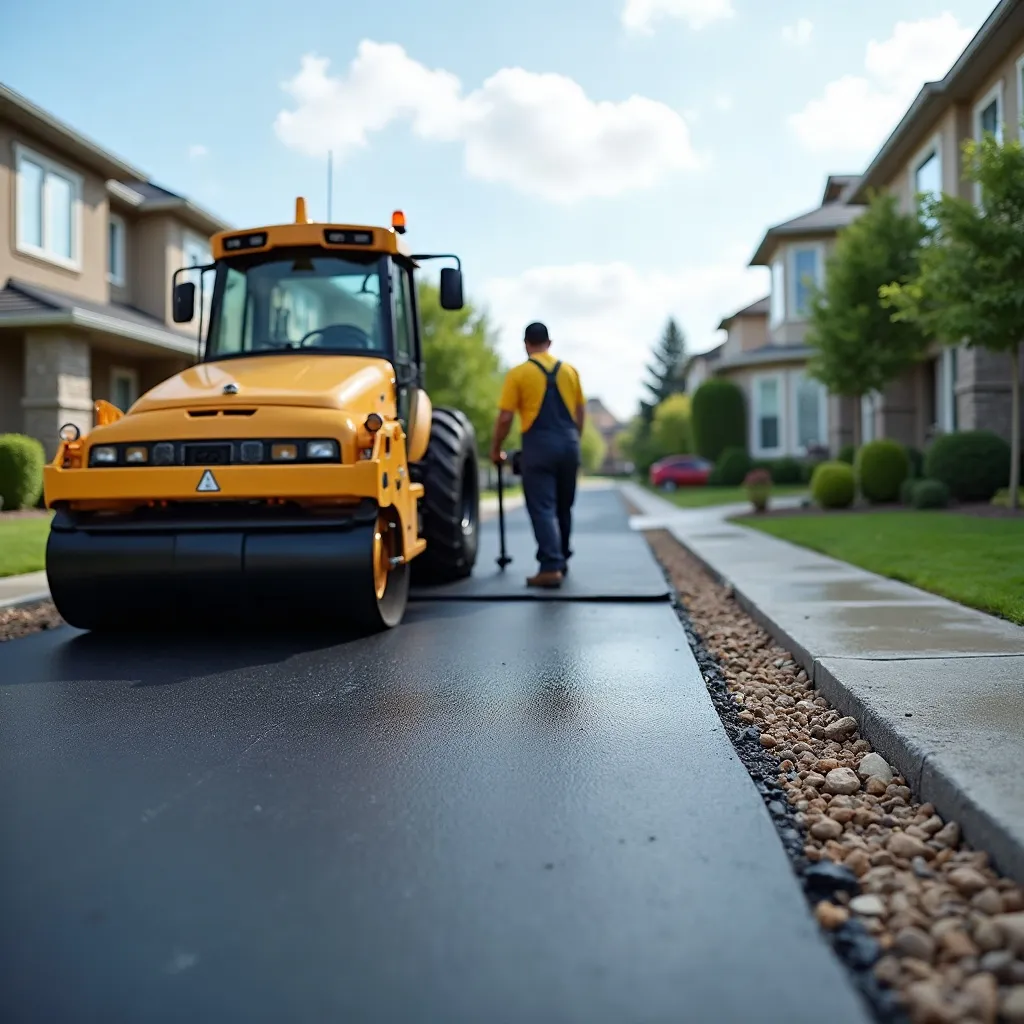
Steps to Choose an Professional Paving Contractor
When appointing an experienced paving contractor, one might wonder what vital aspects to consider. First, it is crucial to validate the contractor's background, including licenses and liability coverage, to verify observance with local requirements and protection against financial risks. Next, reviewing patron reviews and previous job portfolios can furnish knowledge into the contractor's level of quality and reliability.
Moreover, obtaining multiple quotes can enable you to gauge the going price for services and spot any problem guide areas, like exceptionally low bids. Experience in specific paving types, such as residential driveways or commercial parking lots, is an valuable consideration because specialized knowledge usually leads to better outcomes. Communication are also needed; a contractor must be responsive and prepared to answer any questions or concerns. Finally, evaluating guarantees provided can show the contractor’s confidence in their work and their commitment to customer satisfaction.
Optimal Options for Your Driveway
When selecting materials for a driveway, homeowners frequently assess the advantages and disadvantages of asphalt and concrete. Each option presents particular qualities that can impact durability and cost. Additionally, gravel delivers a more affordable alternative but comes with its own set of benefits and drawbacks.
Asphalt versus Concrete Alternatives
Which substance type offers the greatest balance of robustness and price for driveway installations: asphalt or concrete? Asphalt is typically selected for its modest first cost and quicker placement. It typically gives a smooth layer that can tolerate harsh weather conditions, establishing it a functional choice for many residents. However, asphalt calls for periodic maintenance, involving caulking and re-laying, to sustain its longevity.
In contrast, concrete is recognized for its strength and minimal maintenance demands. With appropriate installation, concrete driveways can last over 30 years. Additionally, concrete offers a selection of aesthetic options, with stylized surfaces. While the upfront expense is substantial, the reduced maintenance needs can prove it a practical investment over time. At the end of the day, the decision copyrights on individual lifestyle and financial situation.
Gravel Positive Aspects and Negative Aspects
While asphalt and concrete are often the usual materials for driveways, gravel presents a valid option with its unique of advantages and downsides. One noteworthy benefit of gravel is its budget-friendly nature; it generally demands a lower initial expense compared to asphalt and concrete. Additionally, gravel ensures superior drainage, helping to minimize water pooling risks. However, it also has its limitations. Gravel driveways often require regular maintenance such as intermittent replenishment and raking to keep the surface uniform. Furthermore, they can present issues with erosion and may be less durable under high traffic conditions. Ultimately, the choice to select gravel should consider both its cost-effectiveness and the homeowner’s willingness to engage in ongoing upkeep.
Assessing Client Reviews: What to Look For
How can potential clients determine the caliber of a paving contractor through customer reviews? Evaluating these reviews requires focus to specific factors. First, clients should look for overall ratings; a high average score often indicates satisfactory service. Next, the quantity of reviews is essential; a larger volume provides a more reliable picture of the contractor's performance.
Clients should also examine the details of individual feedback. Positive input about efficiency, dialogue, and work quality is fundamental. Additionally, recurring observations in negative reviews, such as unsatisfactory assistance or project delays, can denote potential issues.
In addition, responses from the contractor to reviews show their dedication and commitment to client happiness. In conclusion, examine reviews from various sources to gain a well-rounded understanding. By emphasizing these considerations, future clients can make informed selections about their paving contractor.
Important Questions to Present to Your Paving Contractor
When choosing a concrete professional, raising key inquiries can meaningfully change the ultimate result. It is important to question the years of professional involvement and the spectrum of completed assignments they have accomplished. Understanding their method for handling materials and techniques can also contribute knowledge about the quality of work to expect.
Prospective clients should ask about licensing and insurance to guarantee the contractor meets regulatory standards and is protected against possible risks. Additionally, discussing the project completion timeline and any potential delays is crucial.
Inquiring about guarantees on both supplies and workmanship can protect the expenditure. Finally, it's beneficial to ask for references or samples of previous work to gauge the contractor's reliability and quality. These questions not only define requirements but also establish a foundation for effective communication throughout the undertaking.
Paving Rates: What to Prepare For
Understanding driveway expenses is important for homeowners thinking about a undertaking. Various factors, encompassing selection of materials and rates, greatly influence the overall expense. Furthermore, examining lasting worth can support in reaching sound choices about pavement expenditures.
Key Variables of Asphalt Costs
Multiple elements affect paving costs, making it essential for property owners to grasp the variables at play. One significant aspect is the size of the area to be paved; larger spaces typically incur higher costs due to increased material and labor requirements. Additionally, site conditions, such as soil quality and drainage, can affect pricing, as extensive preparation may be needed. Local labor rates also play an important role; areas with a higher cost of living often have elevated labor expenses. Moreover, the complexity of the project, including intricate designs or existing structures, can lead to added costs. Finally, seasonal factors may influence pricing, as contractors often adjust rates based on demand fluctuations throughout the year.
Material Types and Cost
Multiple paving materials greatly impact paving costs, each offering distinct perks and variable pricing. Asphalt, known for its affordability and quick installation, averages from $3 to $5 per square foot. Concrete, although more sturdy, can fall between $4 and $8 per square foot, depending on finish and thickness. Pavers, built from brick or stone, furnish aesthetic appeal but generally range from $10 to $20 per square foot, including installation. Moreover, eco-friendly paving solutions, which facilitate water drainage, may cost more due to their premium materials and sophisticated installation processes. Homeowners should consider these options carefully, balancing initial costs with preferred resilience and functionality for their driveways and roads.
Why Guarantees and Ongoing Services Are Important
When choosing a dependable asphalt contractor, the importance of warranties and maintenance support should not be ignored. Warranties function as a safeguard for clients, ensuring that any defects in materials or labor are resolved without additional costs. A trustworthy contractor usually offers an comprehensive warranty that reflects their confidence in the caliber of their work.
Complementing warranties, aftercare services play an essential role in maintaining the longevity of paved surfaces. Scheduled upkeep, such as sealing and crack repairs, can mitigate more major deterioration and costly repairs down the line. A contractor that provides ongoing support demonstrates a devotion to customer satisfaction and the durability of their work.
Thus, warranties and aftercare services not only strengthen the significance of the initial investment but also ensure peace of mind for property owners and enterprises alike. A skilled professional stresses these considerations, nurturing rapport and enduring ties with accounts.
Popular Questions Asked Often
What timeframe Should You Expect for the driveway paving?
The surfacing process generally lasts one to three days, determined by the project's scale and difficulty. Considerations including rain and temperature, preparation of the area, and material decisions can additionally influence the entire schedule in a major way.
How Do Atmospheric Conditions Affect Paving Operations?
Weather conditions significantly affect paving work. Rain, snow, and extreme temperatures can postpone projects, while humidity levels impact the curing process. Ideal conditions, typically dry and mild, ensure better adhesion and durability of the pavement.
How Can I Preserve My New Driveway?
To keep a new driveway in good condition, you should focus on frequent washing, applying sealant periodically, and addressing cracks promptly. Additionally, avoiding heavy loads and using appropriate snow removal techniques will extend its durability and preserve its appearance.
Are there eco-friendly paving options accessible?
Yes, many sustainable paving choices exist, such as water-permeable pavers, recycled asphalt, and alternative concretes produced from renewable resources. These options decrease ecological footprint while offering functional and durable finishes for pathways and parking areas.
Do I Have to Get a Permit for Pavement Undertakings?
Permits are frequently needed for paving projects, based on local regulations. Homeowners should consult their municipal planning department to determine exact specifications, maintaining adherence and avoiding potential penalties or construction setbacks during construction.
Report this page