New Westminster top Concrete Contractor for Residential and Commercial Work
New Westminster top Concrete Contractor for Residential and Commercial Work
Blog Article
Skilled Concrete Contractor for All Your Building Projects
Hiring an experienced cement specialist is essential for the achievement of any construction project. Their knowledge ensures that tasks are finished promptly and to a superior quality. These professionals navigate challenges with proficiency and have proven connections that streamline material sourcing. Understanding local regulations and prioritizing safety are also important elements of their role. Yet, many overlook the long-term benefits of choosing the right contractor. What considerations should one consider when making this critical choice?
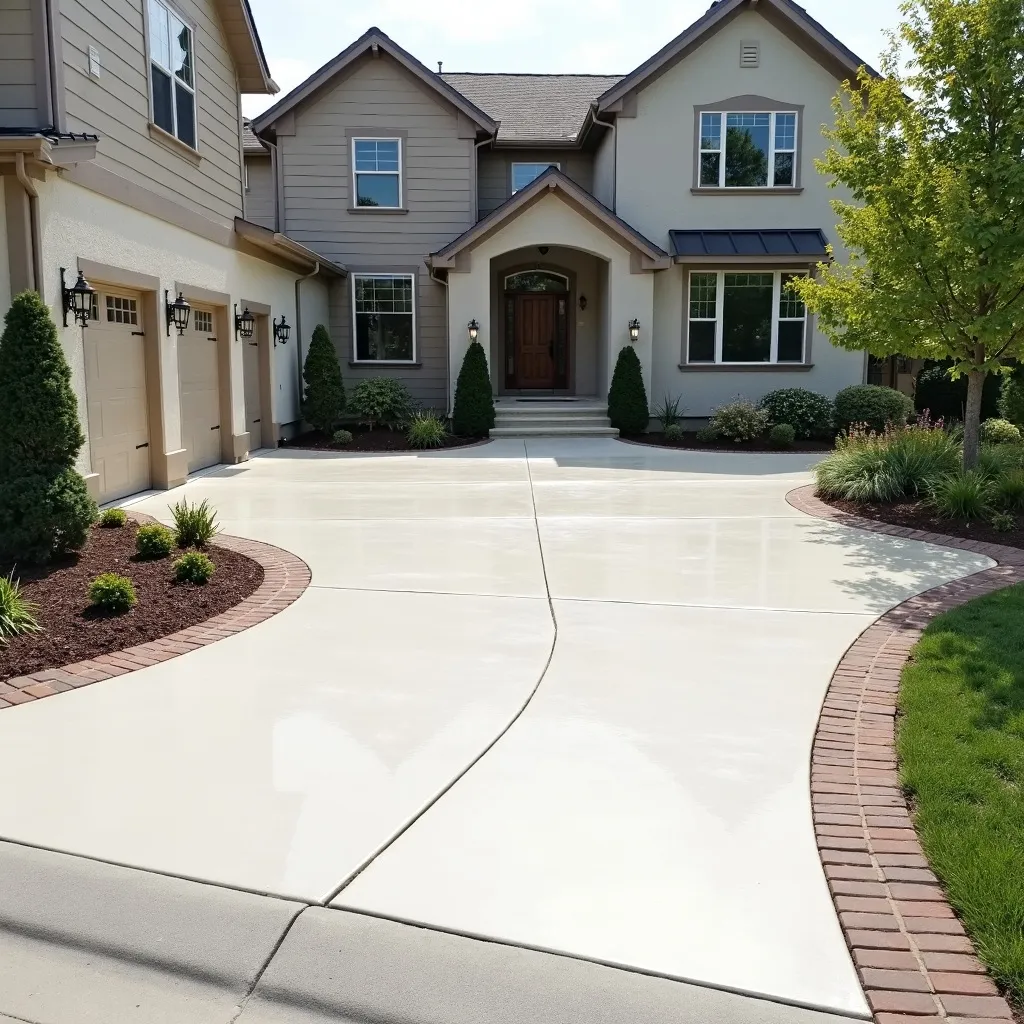
Why Selecting an Expert Concrete Contractor Makes a Difference
When reviewing a building undertaking, the necessity of choosing an veteran concrete contractor cannot be understated. An experienced contractor offers a considerable quantity of knowledge and competencies that are important for upholding the caliber and resilience of concrete work. Their background with diverse strategies and substances permits for superior judgment, in turn creating a sturdier and stable structure.
Furthermore, experienced contractors are skilled in navigating potential challenges that may arise during the construction process. They are equipped to manage unforeseen problems effectively, minimizing delays and additional costs. In addition, an seasoned contractor often has strong connections with vendors and trade partners, which can streamline the acquisition of supplies and materials.
Vital Standards of a Established Concrete Contractor
A trustworthy concrete contractor has multiple crucial qualities that distinguish them in the construction industry. First and foremost, excellent communication abilities are vital; they guarantee that customers are informed during the entire project, building trust and clarity. Furthermore, a strong track record built on positive customer feedback and referrals demonstrates a contractor's dependability and work quality.
Additionally, skill in various concrete applications, combined with awareness of the latest techniques and materials, enables them to achieve superior results. Close attention to detail is another crucial quality, as it confirms precise measurements and high-quality levels of workmanship.
In the end, a dedication to safety and compliance with standards reflect professional standards and accountability. By incorporating these characteristics, a reliable concrete contractor not only meets client needs but also contributes to favorable project results, establishing them as vital in the construction sector.
Tips for Choosing the Ideal Concrete Project for Your Situation
Selecting the ideal concrete assignment requires careful consideration of specific needs and objectives. Individuals should begin by evaluating the intended use of the concrete, whether for driveways, foundations, or decorative elements. A clear understanding of the project's purpose directs the selection of materials and methods.
Next, budget constraints play an crucial role. Examining accessible funds helps in determining the scope and intricacy of the project. Additionally, the local climate can affect the selection of concrete type and surface treatment methods, guaranteeing long-term performance and strength.
It is also critical to account for the timeline for project completion. Some concrete applications demand curing time, which may influence your schedule. Speaking with an seasoned concrete specialist can provide valuable insights into the best practices and available options. In the end, matching the project's particular details with individual preferences produces a successful concrete undertaking that meets the desired outcomes.
What You Should to Know About Local Concrete Regulations?
Understanding local concrete guidelines is necessary for any construction project, as these rules specify various aspects of concrete utilization, including quality standards, installation methods, and environmental considerations. These policies are typically implemented by administrative or governmental authorities and can range widely from one location to another.
Contractors need to be cognizant of zoning laws, which can control where concrete structures may be constructed. Additionally, building codes frequently outline the required strength and composition of concrete mixes, ensuring safety and durability. Environmental regulations may also enforce the use of eco-friendly materials and proper waste disposal methods to reduce environmental impact.
Disregarding these regulations can cause charges, timeline delays, or even legal action. Accordingly, coordinating with local authorities during the early planning stages is suggested. Understanding and observing these regulations not only fosters community safety but also improves the integrity of the construction project.
Professional Specialists Help You Save You Time and Expenses
Experienced contractors take a pivotal role in facilitating construction projects, allowing clients to benefit from both time performance and cost advantages. Their rich expertise enables them to navigate complex tasks swiftly, reducing the overall project timeline. By tapping into industry connections, experienced contractors often secure better pricing on materials, translating to lower expenditures for clients.
In addition, their familiarity with local codes examine now guarantees adherence, which minimizes the risk of prohibitive delays and fines. Effective project management is a further vital advantage, as these professionals coordinate labor and resources, preventing bottlenecks that can lead to mounting charges.
Moreover, by applying established methods, expert contractors reduce the likelihood of errors, which can result in expensive rework. Ultimately, engaging a seasoned contractor not only improves the quality of the project but also optimizes budget allocation, making it a sound investment for any building project.
How Quality Components and Approaches Impact Concrete Work
Quality in concrete work is paramount, as it directly affects the durability and longevity of any construction project. The choice of high-grade materials plays a essential role; inferior concrete can lead to cracking, erosion, and structural failure over time. Using quality aggregates, cement, and additives ensures that the final product can withstand environmental stresses and heavy loads.
Moreover, leveraging advanced techniques during the mixing, pouring, and curing phases markedly enhances the integrity of the composite. Correct proportional combinations and solidification techniques help reaching ideal strength and diminish defects. Knowledgeable contractors grasp these particulars and implement optimal procedures to deliver superior results.
Ultimately, investing in quality materials and techniques not only enhances the structural performance but also reduces ongoing maintenance expenses. This foundation of reliability is crucial for both commercial and residential projects, ensuring that they stand the test of time. Concrete work quality is an investment with significant returns.
Regularly Asked Questions
Which Types of Concrete Solutions Do Contractors Generally Provide?
Concrete contractors commonly provide a variety of solutions including pouring foundations, driveway installation, decorative concrete services, slab construction, sidewalk and patio creation, resurfacing and repairs, as well as concrete recycling and demolition.
What is the typical timeframe for a basic concrete project?
A standard concrete project commonly takes between one to three days, contingent on factors such as project size, complexity, weather conditions, and curing time. Larger or more intricate projects may demand additional time for completion.
What Are the Typical Signs of Substandard Concrete Work?
Evident signs of poor concrete performance include surface splits, uneven surfaces, blocked water flow, color fading, scaling, and abrasive wear. These problems often indicate inadequate curing, wrong proportions, or inadequate planning, compromising the structural reliability and useful life.
May I Inquire about Custom Designs for My Concrete Project?
Yes, individualized designs for concrete projects can be demanded. Several builders allow customization in design, helping customers to blend in one-of-a-kind elements and aesthetics that align with their vision, strengthening both performance and beauty.
What Impacts Do Environmental Conditions Have on Concrete Curing?
Weather conditions greatly affect concrete maturation. High temperatures can expedite drying, causing cracking, while cold can slow the process, threatening incomplete hydration. Ideal curing requires moderate temperatures and controlled moisture to secure durability and strength.
Report this page